
30
NOVEMBER, 2020
Fossil Hunting
Fossil Hunting in Florida
Mastodon Tooth
Fossil hunting is a game of chance. You can hedge your bets, sure. But, ultimately, once you put your shovel in the earth or your head underwater, it is all up to lady luck.
So, we rolled the dice and ventured to a creek that had been flooded by a hurricane only a few weeks prior. The hope being that the hurricane had churned the creek bottom and exposed more fossil bearing material for us to search through.

My hand next to a Gator’s Paw Print.
What we didn’t realize is that the recent high water meant more gators. It seemed every bend had an alligator enjoying the sun lazily like a hungover spring breaker.
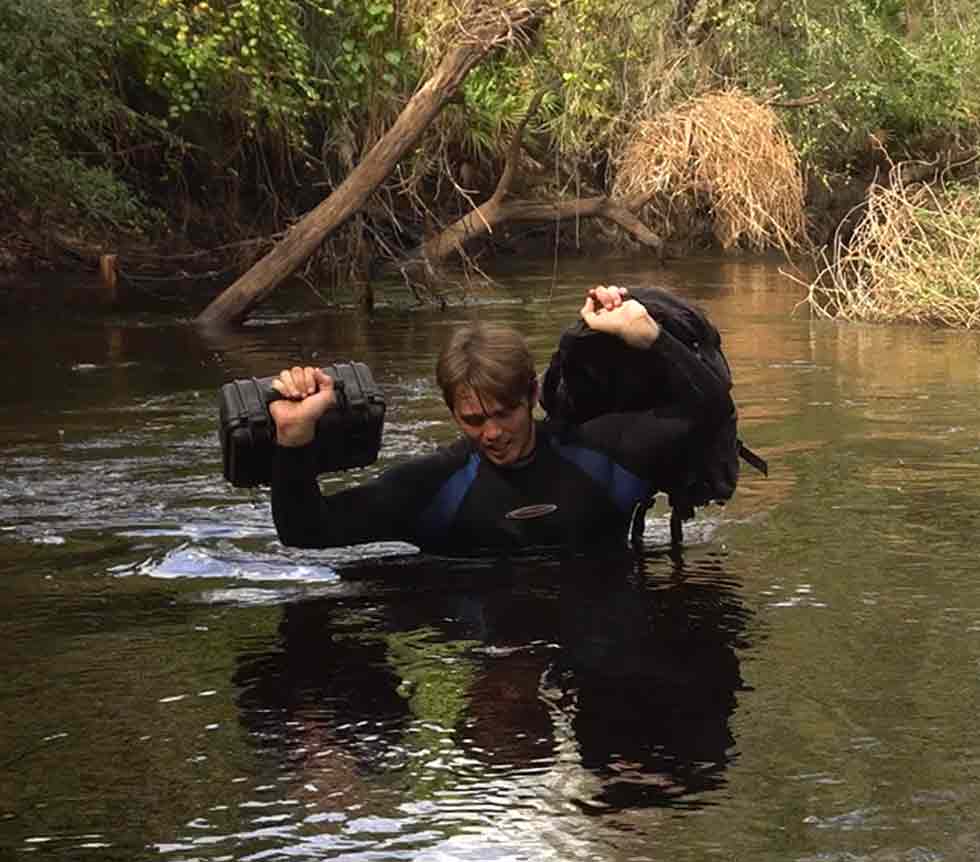
Fording the Creek.

“This sucks!”
This meant we were especially careful with where we decided to ford the creek and we spent much of the day taking “shortcuts” through underbrush to avoid our scaly cousins.
“Every bend had an alligator enjoying the sun lazily like a hungover spring breaker.”
Eventually, we arrived at a set of bends in the creek that showed promise. I started off by finding a nice segment to a Columbian Mammoth tooth while Joe uncovered this incredible fossil shell from a scallop pictured below:
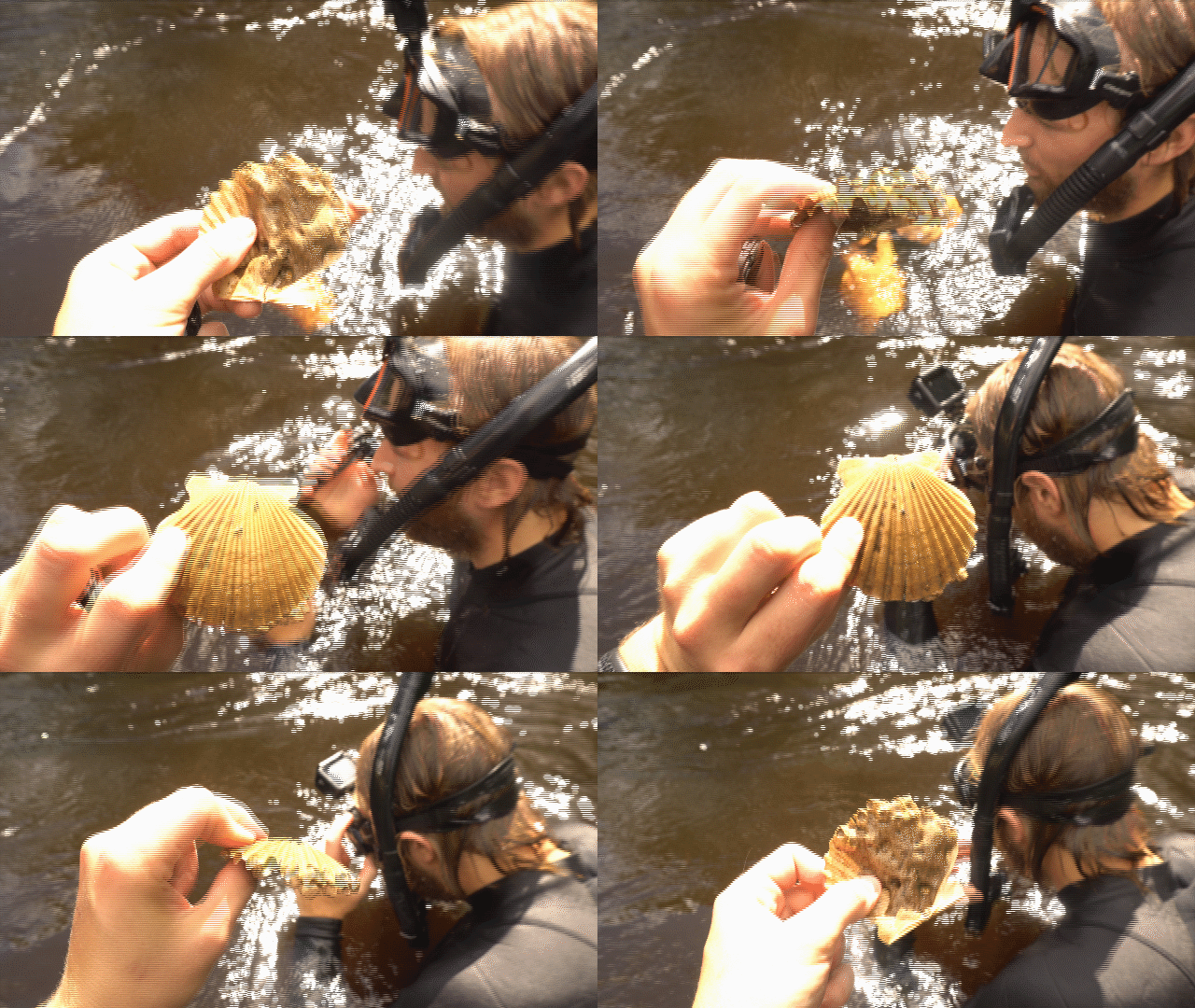
Fossil Scallop Shell: Pliocene (5.3-2.6 MYA)
What we did not realize is that only 100 feet from us another alligator had taken up real estate and we had narrowly avoided an underwater encounter. At this time, we were both thoroughly spooked. But, I convinced Joe to bubble watch one more bend.
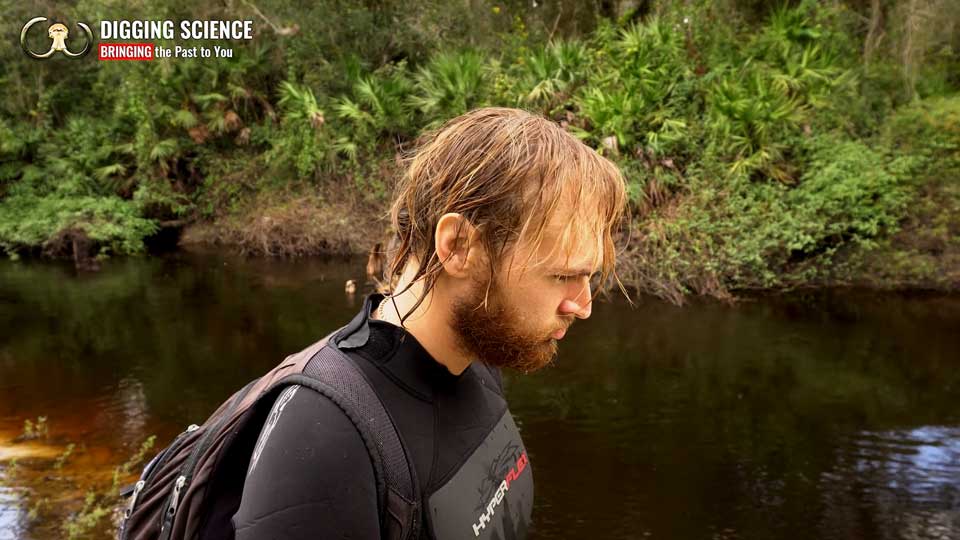
Florida man is not impressed with alligators.
Our next stop was a location I had discovered fossil hunting over three years ago. On that day, I recovered multiple tooth segments to an extinct American Mastodon, a relative to mammoths and elephants. Ever since, we have routinely checked this spot for the missing tooth segment.

Mastodon Tooth Segment recovered in 2017

Freshly eroded Mastodon Ivory
Immediately, upon diving underwater, I noticed multiple pieces of Mastodon ivory. A good sign that the creek eroded fresh fossil bearing material. And only moments later, I saw the missing tooth segment. After so many trips, it was just sitting there, practically begging to be picked up.
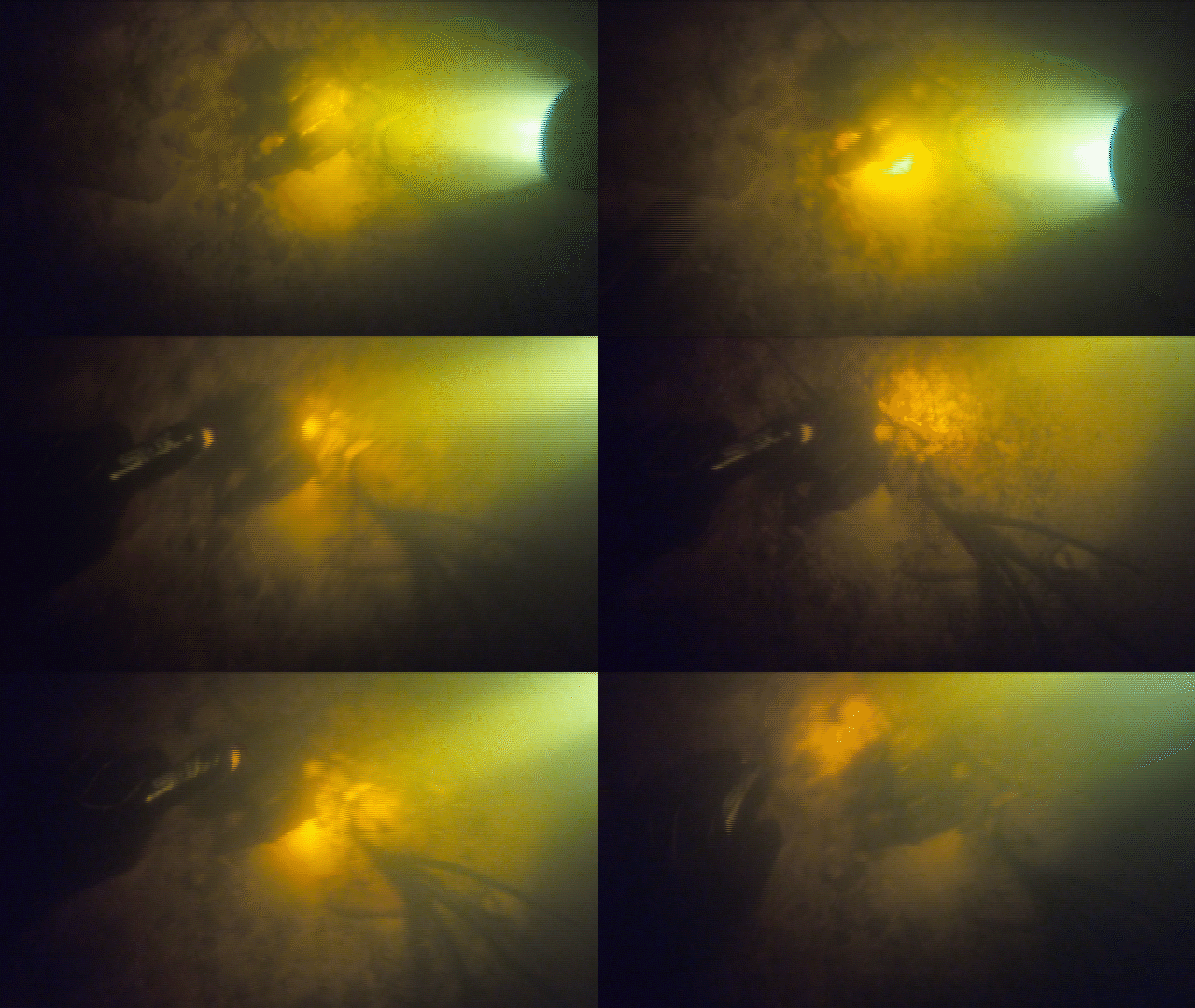
The first look at the missing piece underwater.
Honestly, we should have never found this tooth. I had half heartedly written it off as destroyed or buried. At this point, I was checking the spot more out of habit than hope. Yet, there it was.

The Mastodon Tooth Segment Recovered

The two pieces reunited.
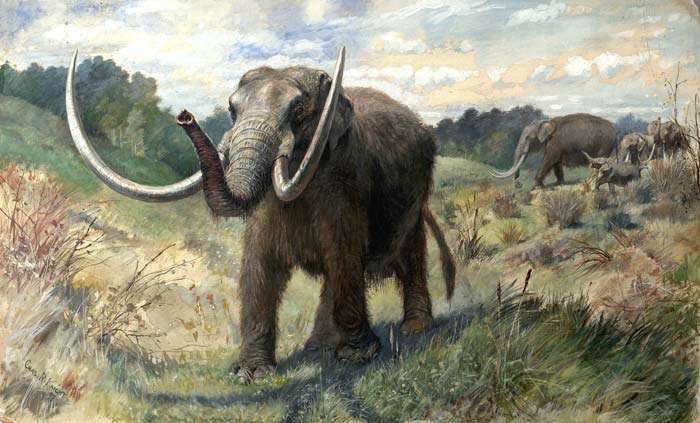
American Mastodon by Charles C. Knight, 1897
American Mastodon by Charles C. Knight, 1897
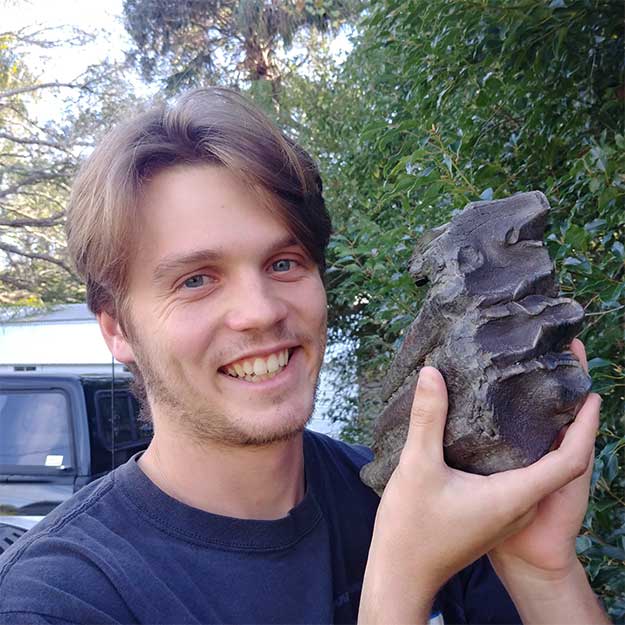
Jonathan Valentine
Digging Science, Founder
Mastodons are one of our favorite extinct animals from Florida’s Ice Age deposits. And it is a privilege to be able to recover and piece back together a tooth like this. Every year, we come across hundreds of fossils that have been turned into thousands of tiny pieces by time and erosion. To us, saving one more piece of history from an unfortunate fate is worth diving with alligators anytime.
Click an Icon to Watch More Discoveries

FOSSILS FOR SALE
Own a Piece of History


TRIP REPORTS
Fossil Hunting in Florida
It’s funny how we can give up on a fossil that’s survived millions of years. But now it’s exposed dodging debris waiting on you to find it. Persistence paid off!
Absolutely! I have seen so many fossils that have survived thousands of years encased in their depositional tomb only to be destroyed by a hurricane, flood, or simple erosion. I am so glad this tooth did not meet that fate.
I boggles the mind to think of all the amazing things buried just beneath our feet. The scallop fossil is nearly as amazing as the tooth to me. I sometimes just pick up rocks on the beach and marvel at the forces and time it took to form and mold them into whatever I see in my hand